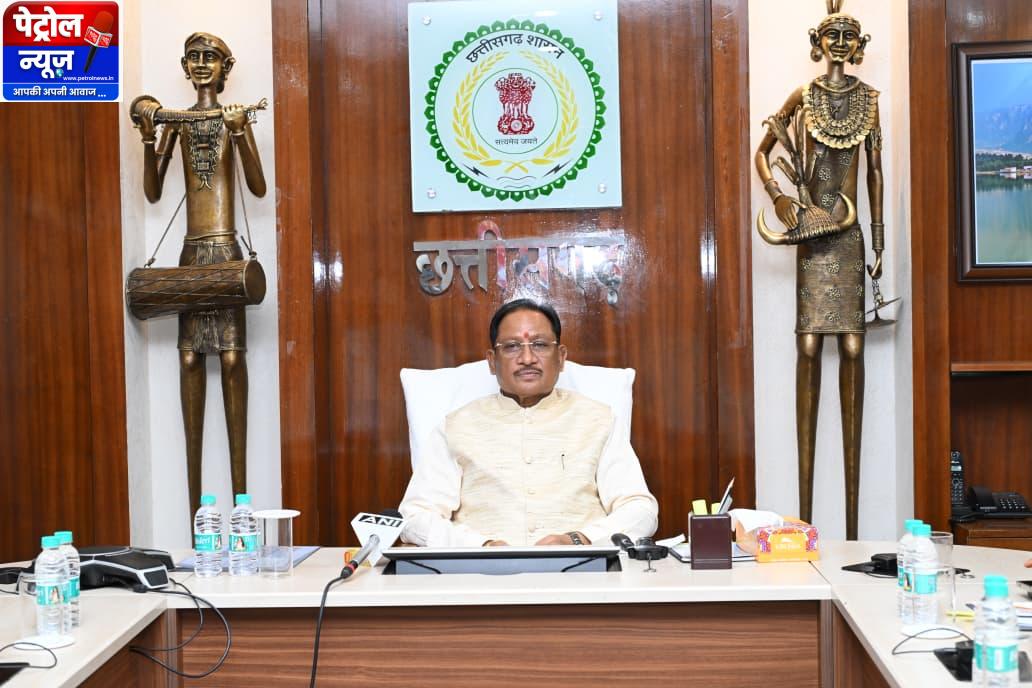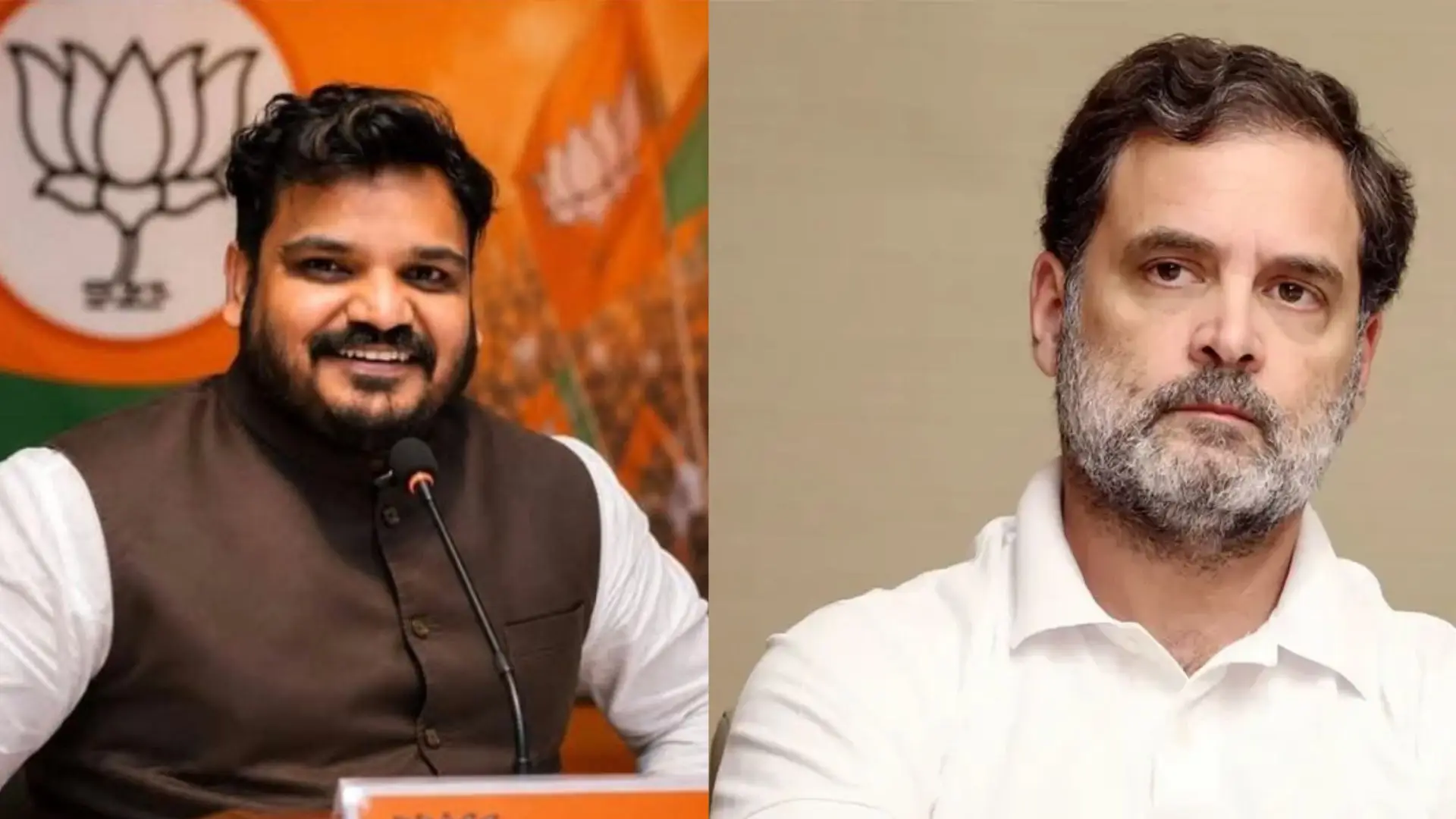




Amid the ongoing disruption during the Monsoon Session of Parliament, Prime Minister Narendra Modi held a breakfast meeting with the new NDA Lok Sabha MPs on Friday.
The meeting was held at the Prime Minister’s residence and was attended by around 45 MPs, including rebel MPs from the TMC and the Uddhav faction.
Twenty rebel MPs had left Mamata Banerjee’s party, the TMC, and joined the Nationalist Citizens Party of India (NCPI). Meanwhile, six MPs from the Uddhav faction of Shiv Sena had also joined the Shinde faction.
Addressing the MPs, PM Modi said that the NDA is a family and that the government stands with its allies. He said every person would be respected and that he stands with every NDA MP. He also told them that they did not need to worry about anyone.

PM’s 5 pieces of advice to MPs; says debate with preparation
Parliament is the biggest temple of democracy. There should be discussions and proceedings should run smoothly. Due to the continued disruption, new MPs are not getting an opportunity to speak, which is unfair to them.
The Prime Minister advised the new MPs to study history, take part in debates after proper preparation and focus on the development of their states and constituencies.
He also asked MPs to contact the Prime Minister’s Office (PMO) directly regarding development work in their constituencies.
He told them to meet poor people, workers and farmers, understand their problems and work towards finding solutions.
Rebel MPs to have separate seating arrangement during Monsoon Session
The 20 rebel TMC MPs who left Mamata Banerjee are sitting separately in the Lok Sabha. On June 15, 20 TMC MPs merged with the Nationalist Citizens Party of India (NCPI).
Meanwhile, on June 22, six MPs left Uddhav Thackeray’s faction and joined the Shinde faction. These MPs are now also sitting with the Shinde faction in Parliament.
The Monsoon Session of Parliament began on July 20 and will continue until August 13.

This picture is of June 22 when 6 MPs of Uddhav faction had announced changing the party in a press conference with Eknath Shinde in Mumbai.
June 22: 6 Uddhav MPs join Shinde’s Shiv Sena
There was another rebellion in Uddhav Thackeray’s Shiv Sena in Maharashtra on June 22. Six of the party’s nine Lok Sabha MPs broke away and joined the Shiv Sena led by Deputy Chief Minister Eknath Shinde.
The number of Shinde faction MPs in the Lok Sabha has now increased from seven to 13.
All six MPs announced their decision at a press conference in Mumbai. The Deputy Chief Minister said, “When we rebelled in 2022 to save the party and the bow and arrow symbol, we had 40 MLAs, and now we have hit a six.”

June 8: 20 MPs who left TMC announce support for NDA

On June 8, 20 of the TMC’s 28 Lok Sabha MPs decided to support the NDA government. Former TMC leader and MP Kakoli Ghosh Dastidar said that a letter signed by the MPs had been sent to Lok Sabha Speaker Om Birla.
The rebel MPs had merged with the Nationalist Citizens Party of India (NCPI). NCPI is a registered party in Bengal and had made its electoral debut in Tripura. It fielded four candidates in the 2023 Tripura Assembly elections, but all four lost.
According to sources, Sudip Bandyopadhyay, the leader of the TMC rebel group, met PM Modi on Saturday.

Both factions with NDA; Modi government’s numbers increase
The approval of the rebel MPs from the TMC and Uddhav faction will benefit the Modi government. The government will move closer to a two-thirds majority in Parliament, which is important for passing constitutional amendment bills.
The government is trying to secure the numbers needed to implement the women’s reservation law and pass constitutional amendment bills through delimitation to increase the number of seats in Parliament and state assemblies.
These efforts failed during the special Rajya Sabha session in April.
Since then, 37 MPs from four opposition parties in the Lok Sabha and Rajya Sabha have joined the ruling side. Compared with April, the government’s support in both Houses has increased, but it is still short of a two-thirds majority.
Lok Sabha: 42 votes short of two-thirds majority
In the 2024 Lok Sabha elections, the BJP won 240 seats. The NDA also included 16 MPs from Chandrababu Naidu’s TDP, 12 from Nitish Kumar’s JDU, seven from the Shiv Sena (Shinde faction), five from LJP (Ram Vilas) and 13 MPs from other parties. This took the NDA’s total to 292, which was 20 more than the majority mark.
On June 14, 2026, 20 Lok Sabha MPs, including TMC leader Kakoli Ghosh Dastidar, joined the NDA-supported Nationalist Citizens Party, increasing the BJP’s number in the Lok Sabha from 292 to 312.
In June, six of the nine Lok Sabha MPs from the Shiv Sena (Uddhav faction) in Maharashtra also joined the NDA ally Shiv Sena (Shinde faction). With their addition, the NDA’s strength in the Lok Sabha increased to 318.
At present, three Lok Sabha seats are vacant: Nagaon in Assam, Basirhat in West Bengal and Shillong in Meghalaya.
This means that if voting takes place on a bill in the Lok Sabha, there would be a maximum of 540 MPs. Based on this figure, the two-thirds mark is 360, leaving the NDA 42 votes short.
Rajya Sabha: 11 votes short of two-thirds majority
After seven AAP Rajya Sabha MPs from Punjab joined the BJP in April 2026 and the Rajya Sabha elections were held in June, the NDA had 149 MPs.
Of these, 114 were from the BJP. In the 245-member Rajya Sabha, this gave the NDA 27 more seats than the simple majority mark.
Three TMC Rajya Sabha MPs, Sukhendu Sekhar Ray, Sushmita Dev and Prakash Chik Baraik, left the party and joined the BJP on July 9.
They were elected unopposed to the Rajya Sabha on July 17. This increased the NDA’s strength in the Rajya Sabha to 152.
On July 16, TMC MP Koyal Malik also resigned. There is speculation that she may join the BJP.
The Rajya Sabha needs 163 votes for a two-thirds majority. The NDA is therefore just 11 votes short of the mark.