
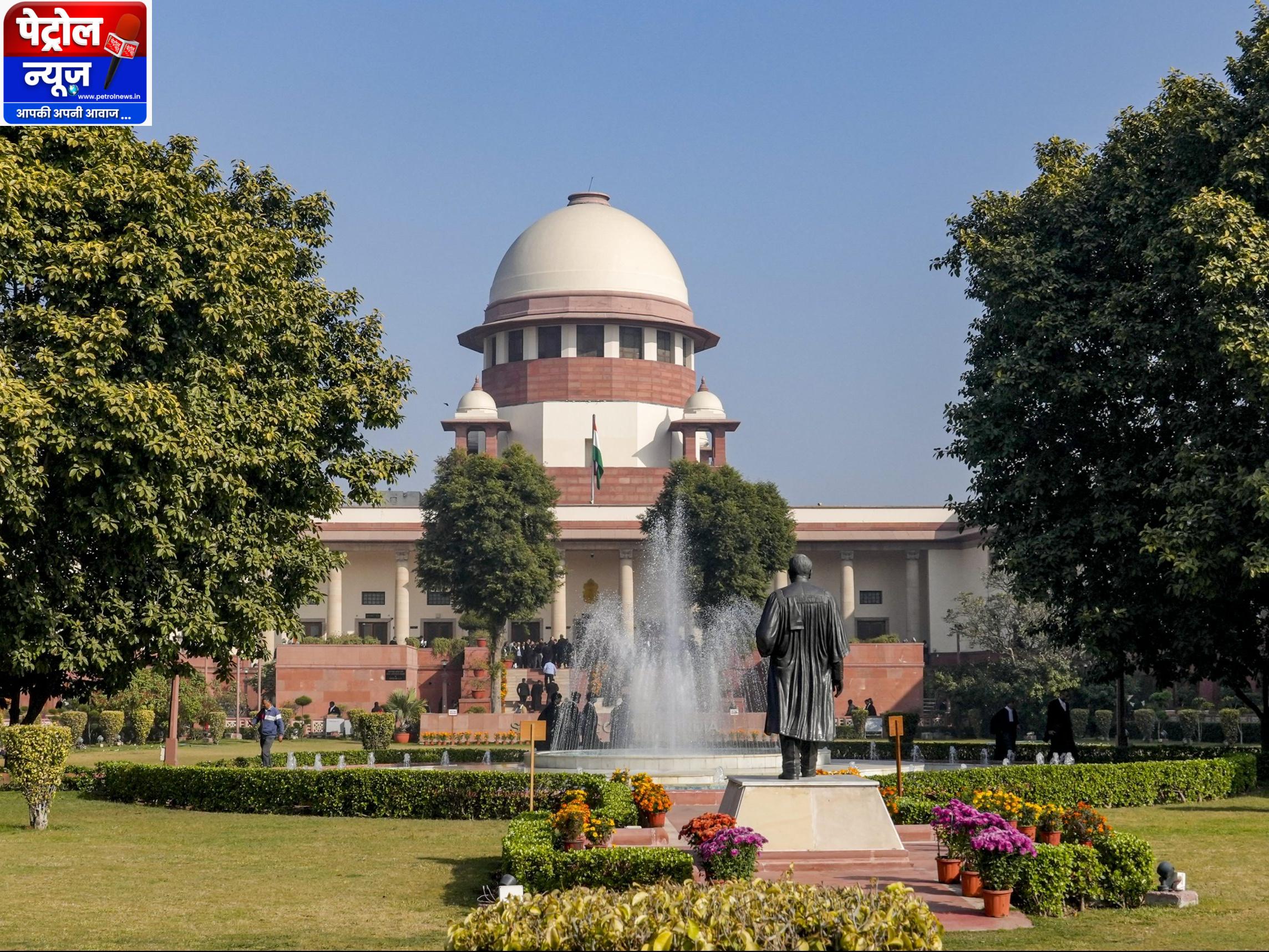


The Supreme Court has announced that it will soon launch the ‘Jan Soochna Seva’ on the occasion of Hindi Day. Under the initiative, information about the court’s major judgments and orders will be made available to people in simple Hindi through short audio and video clips.
This means that people who have difficulty reading and understanding decisions written in legal language will be able to understand them by listening and viewing them. The aim of this initiative is to make Supreme Court decisions more understandable to the general public.
The Public Information Service will begin in Hindi and will later be made available in other Indian languages. The Court has also placed special emphasis on ensuring easy access to judicial information for persons with disabilities in this initiative.

The Supreme Court issued a press release giving information about the Public Information Service.
Were Supreme Court decisions not available in Hindi till now?
Here are the answers to seven such questions…
Question: What will the ‘Jan Soochna Seva’ offer?
Answer: Summaries of the Supreme Court’s important judgments and orders will be provided in simple Hindi. Short audio and video bulletins will be prepared for this purpose, so that people do not have difficulty understanding legal language.
Question: Were Supreme Court judgments not available in Hindi until now?
Answer: Hindi versions of several Supreme Court judgments have already been made available. Content in Hindi is also available on the court’s website.
The difference with the new initiative is that, instead of providing the judgments only in translation, they will be explained through audio and video in simple, conversational Hindi.
Question: What is the official language of the Supreme Court?
Answer: Under Article 348 of the Constitution, the language of proceedings in the Supreme Court and high courts is English. English is also used for the courts’ official judgments and orders.
However, translations and other facilities in Indian languages have continued to be made available to take judicial information to the general public.
Question: Why is this initiative necessary?
Answer: Court judgments contain legal terminology and complex language. As a result, it can be difficult for ordinary people to understand a judgment by reading it directly.
Audio-video bulletins in simple Hindi will help people understand the meaning of the judgments more quickly.
Question: Who will benefit the most?
Answer: Besides ordinary citizens, lawyers and people who have difficulty understanding legal English will benefit. The Supreme Court has specifically described accessibility for persons with disabilities as an important part of this initiative.
Question: Will the service be available only in Hindi?
Answer: No. It will begin in Hindi, but there are plans to expand it to other Indian languages later. This will make it easier for people in different states to understand important Supreme Court judgments.
Question: Is this the first time the Supreme Court has emphasised Indian languages?
Answer: No. The Supreme Court has already been working towards making versions of its judgments available in Indian languages, including Hindi.
‘Jan Suchna Seva’ is an initiative that takes this effort forward, using audio and video along with language.