

Kolkata19 minutes agoAuthor: Tirthankar Das

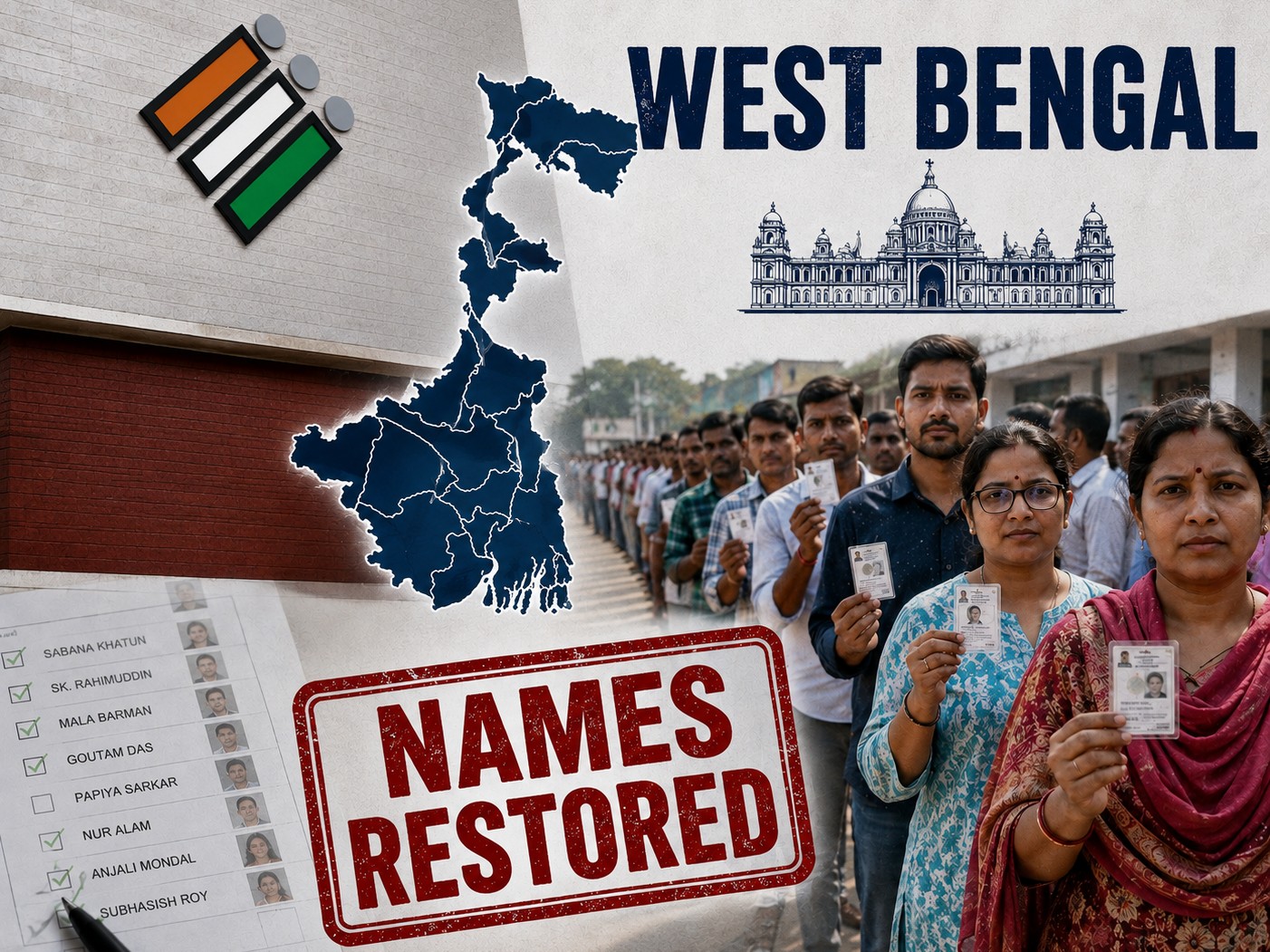
This is an AI-generated image.
Nearly 91% of appeals disposed of by tribunals during West Bengal’s Special Intensive Revision (SIR) of electoral rolls have resulted in the restoration of voters’ names, according to data obtained through an RTI application.
The figures, obtained by Congress MP Isha Khan Chowdhury, show that 75,443 names were restored out of 82,782 appeals disposed of so far. In contrast, 7,339 cases, or 8.86%, resulted in the exclusion of names from the electoral rolls.

Appeals exceed number of voters marked not eligible
The data has also raised questions over the number of appeals filed during the adjudication process.
According to the Election Commission’s response, 38,10,620 appeals were filed against 27,28,500 voters categorised as “Not Eligible”. This creates a difference of 10,82,120 appeals. Chowdhury said the Election Commission needs to clarify the discrepancy.

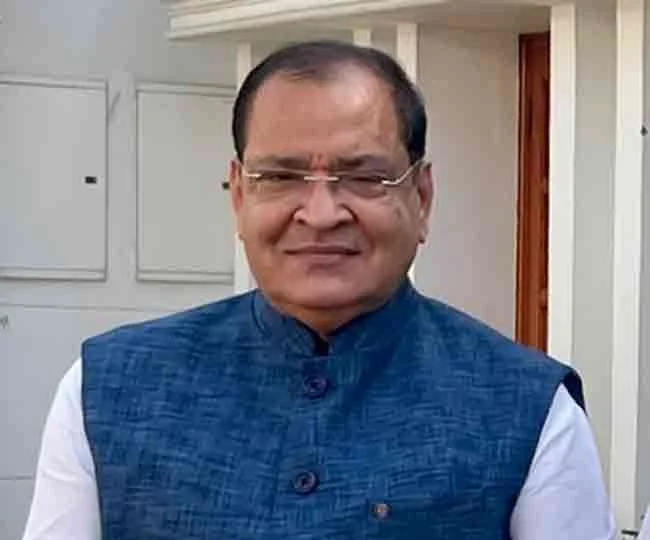
Congress MP Isha Khan Chowdhury.

The major concern is that 38,10,620 appeals were filed against 27,28,500 voters recorded as ‘Not Eligible’, a difference of 10,82,120 appeals. These were filed by the Election Commission for excluding voters who had voted in this year’s Assembly elections. This requires immediate clarification by the Election Commission,
he said.

Congress questions large number of restored names
Chowdhury also questioned why such a large proportion of disposed appeals had resulted in names being restored.
In other words, more than 91 per cent of the disposed cases have resulted in restoration, raising a serious question about the initial deletion of genuine voters and whether eligible citizens were denied the opportunity to exercise their right to vote,
he said.
He said the impact of the exercise extended beyond elections, claiming that affected people were facing uncertainty over access to government benefits and overseas employment because of fears of detention.
Chowdhury stressed that electoral rolls should remain “accurate, transparent and inclusive” and that genuine citizens should not lose their voting rights.

Congress raises concerns over tribunal appeals
Congress leader Prasenjit Bose, who heads the party’s SIR panel and is among the petitioners challenging the exercise in the Supreme Court, said only around seven lakh of the 27 lakh electors removed during adjudication over “logical discrepancies” had approached the tribunals themselves.
We informed the Supreme Court that the state government officials are claiming that only 7 lakh out of a total of 27 lakh deleted electors have filed appeals so far. The rest of the appeals have been filed by EC or individual objectors,
Bose said.
He argued that the appellate mechanism created under the Election Commission’s March 10 order was intended to allow rejected claims to be reconsidered, rather than facilitate bulk challenges seeking further deletions.
Congress has also sought a time-bound schedule for disposal of the cases from the Supreme Court, citing the Kolkata Municipal Corporation and Howrah Municipal Corporation elections expected to be held by the end of 2026.

Murshidabad records the highest number of appeals
District-wise figures show that Murshidabad recorded the highest number of appeals, with 7,47,305 cases filed. So far, 434 names have been restored and 53 have been excluded.
In Malda, 5,31,149 appeals were filed. Of the 1,471 cases disposed of, all resulted in names being included in the electoral rolls. North 24 Parganas recorded 3,58,872 appeals, with all 277 disposed cases resulting in inclusion. South 24 Parganas saw 3,21,332 appeals, of which 20,107 names were restored and 24 were excluded, the highest number of restorations among the districts mentioned in the data.
Hooghly followed with 19,528 names restored. In Darjeeling, 50,712 appeals were filed, with 159 names restored and one name excluded.