
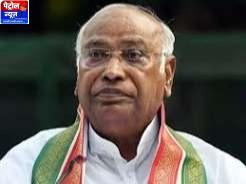


Congress president Mallikarjun Kharge and Leader of Opposition in the Lok Sabha Rahul Gandhi have written to Prime Minister Narendra Modi raising concerns over the format proposed for collecting caste details in the upcoming Census.
In their letter, the two leaders said the government has opted for an open-ended question format to record caste details, which they claimed could lead to misleading and inaccurate data.
They argued that respondents writing caste names manually could result in different spellings, names and variations being recorded for the same caste. This, they said, could particularly affect backward and extremely backward communities.
Demand drop-down list of castes
Kharge and Gandhi urged the government to create a drop-down list of castes for respondents to choose from while filling in their details.
They said a standardised list would reduce discrepancies in the way caste names are recorded and help ensure that the Census produces more accurate and usable data.
The Congress leaders said reliable caste data is important for understanding the population and socio-economic conditions of different communities and for framing policies accordingly.
They also called on the Centre to reconsider the existing questionnaire and ensure that the caste enumeration process does not disadvantage any community because of differences in nomenclature or spelling.
Seek fresh questionnaire after consultation
Kharge and Gandhi further demanded that the government scrap the existing questionnaire and formulate a new one after consulting political parties, experts and the public.
They said wider consultation was necessary to address concerns over the design of the Census and ensure that the caste data collected is comprehensive, consistent and credible.
The issue comes amid continued political focus on caste enumeration and the use of updated caste data for policymaking, welfare measures and affirmative-action policies.
The Congress has been demanding a comprehensive caste census, arguing that accurate and current data is necessary to assess the socio-economic status and representation of various communities.