

Kolkata3 hours agoAuthor: Tirthankar Das

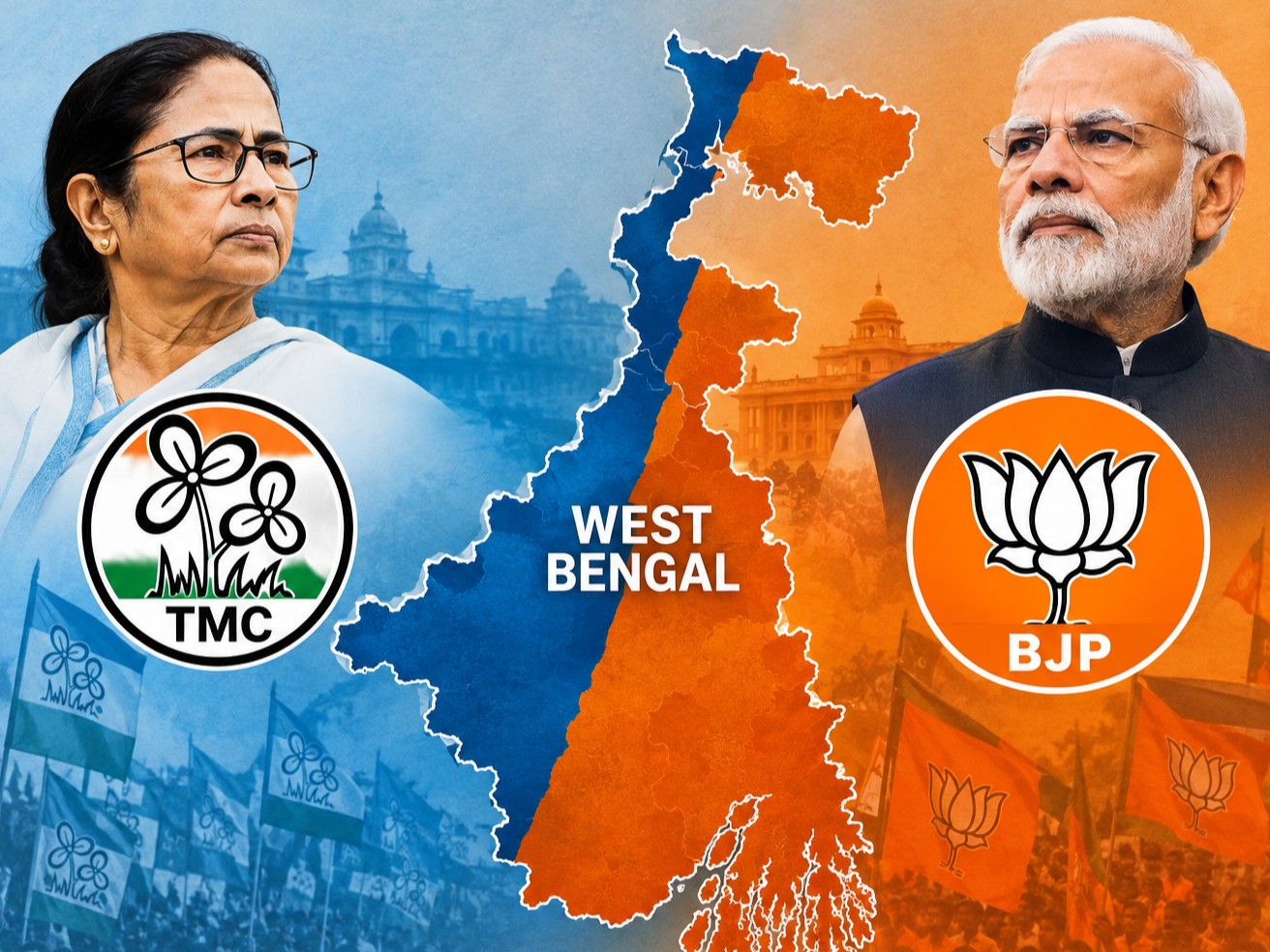
West Bengal’s political landscape has undergone a dramatic transformation after the 2026 Assembly elections, with the Bharatiya Janata Party (BJP) emerging as the first party to form a government in the state with an absolute majority since Independence, while the Trinamool Congress (TMC) faces a deep organisational crisis.

The BJP’s victory ended 34 years of Left Front rule and 15 years of TMC dominance in Bengal. The new government has raised expectations around corruption-free governance, equal opportunities, development and an end to what the BJP describes as appeasement politics.
Four months into the new government, one of the biggest political developments has been the growing split within the TMC, which has created a major opportunity for the BJP ahead of the 2029 Lok Sabha elections.

Rebel TMC MP faction merges with Nationalist Citizens Party of India.(File photo
TMC split gives BJP political advantage
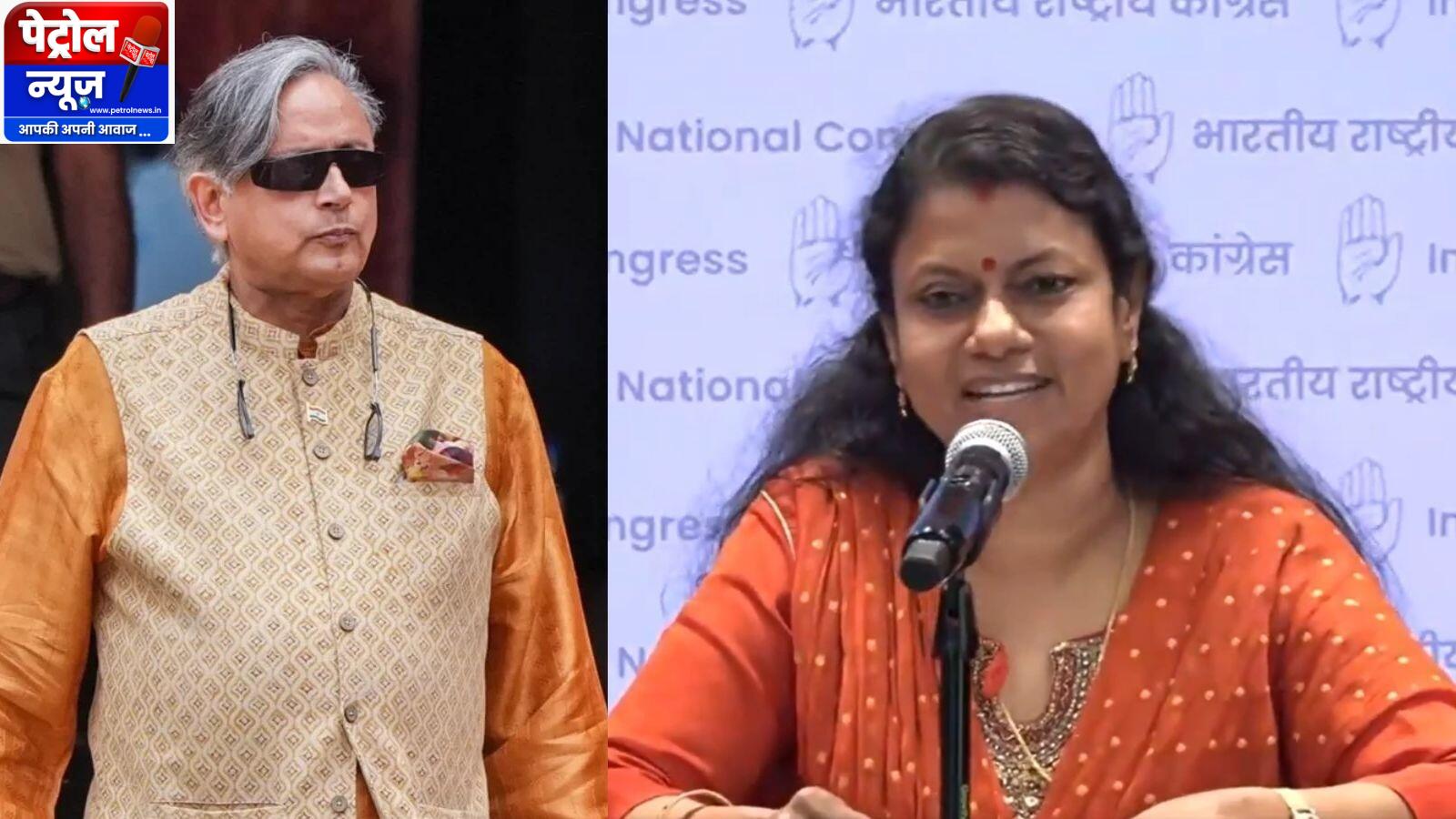
The crisis intensified after former TMC Rajya Sabha MPs Sushmita Dev, Sukhendu Sekhar Ray and Prakash Chik Baraik joined the BJP. Within hours, the BJP named all three as its candidates for the Rajya Sabha by-elections in West Bengal.
Their defection is part of a larger political realignment in which several leaders who once held important positions in the TMC have either joined the BJP or moved towards factions opposed to Mamata Banerjee.

58 TMC legislators formed a separate bloc in June under expelled MLA Ritabrata Banerjee and claimed to represent the “real” Trinamool Congress. The rebel group subsequently announced its own National Working Committee.

TMC MLA Madan Mitra resigns from all TMC posts and joins the rebel camp. (File photo)
Mamata Banerjee’s faction, however, continues to claim control over the original party, with Mamata retaining the chairperson’s post and Abhishek Banerjee remaining national general secretary. The dispute has therefore become a battle over the TMC’s identity, organisation and political legacy.

The BJP stands to benefit from the division. A weakened and internally divided opposition is less capable of mounting a coordinated political challenge, while the TMC’s leadership is forced to spend time dealing with internal disputes and legal battles.

Sushmita Dev, Sukhendu Sekhar Ray, and Prakash Chik Baraik joined BJP. (File Photo)
Experienced TMC leaders move to BJP
The induction of Sushmita Dev, Sukhendu Sekhar Ray and Prakash Chik Baraik gives the BJP access to leaders with parliamentary and organisational experience.
Ray is a veteran parliamentarian, while Dev has experience in both Assam and Bengal politics. Baraik’s influence in North Bengal, including among tea garden communities, could also provide the BJP with additional political networks.

For the BJP, such defections are significant not only because of the individual leaders but also because they strengthen the perception that the TMC is struggling to retain its senior leadership after its electoral defeat.
The BJP can now attempt to combine its own organisational machinery with the political networks of former TMC leaders.

Analyst sees BJP advantage ahead of 2029
Political analyst and commentator Prof Debanjan Banerjee, Dean of Media Science at Techno Main Salt Lake, described May 4, 2026, as a “Saffron Letter day” for Bengal politics.
According to Banerjee, the BJP’s immediate strategy appears to involve weakening the principal opposition by exploiting existing divisions within the TMC.

“Splitting the main rival into pieces” has become one of the most significant political developments since the election, he said, arguing that internal conflicts that existed before and during the polls intensified after the results.
Banerjee believes the TMC split could provide the BJP with substantial electoral dividends in 2029. He said opposition votes could become increasingly fragmented, while the BJP could retain its consolidated Hindu support base.

He predicted that the BJP could cross 30 of West Bengal’s 42 Lok Sabha seats in 2029, though the eventual number of seats could change depending on delimitation.

BJP focuses on development
Banerjee also pointed to the new government’s development agenda as another important factor.
He cited efforts to attract industries and investments, mentioning companies such as Amul, L&T, and Lux Cozi, along with infrastructure development and expansion of rail and metro networks.
He also highlighted the government’s decision to facilitate the handover of land to the Border Security Force for fencing, the introduction of Ayushman Bharat, and various social welfare initiatives.
However, he said the government had faced some difficulties in implementing welfare measures, particularly the Annapurna scheme.

The BJP’s challenge will now be to convert political defections into a durable organisational and electoral advantage. Former TMC leaders bring experience and networks, but transferring their personal support base to another party is not automatic.
The BJP will also have to balance its established grassroots workers with new entrants from the TMC and manage potential rivalries within its expanded organisation.

Battle for TMC’s political legacy
For the TMC, the immediate challenge is organisational survival. The party historically built its strength through an extensive network covering the Assembly, Parliament, municipalities, panchayats and grassroots workers. The current split threatens that structure.

The competing claims over the party and its symbol could also lead to prolonged legal and Election Commission proceedings, creating further uncertainty.
For the BJP, meanwhile, the objective is to ensure that the TMC remains divided and unable to rebuild the powerful organisation that dominated Bengal politics for 15 years.

The political battle in Bengal has therefore moved beyond a simple BJP-versus-TMC contest. It is increasingly a struggle over who controls the TMC’s organisational network, political legacy and voter base.
If the BJP succeeds in converting the TMC’s current internal collapse into a stable organisational advantage, the 2029 Lok Sabha election could become the first major test of whether Bengal’s political realignment is temporary or represents a fundamental shift in the state’s politics.